
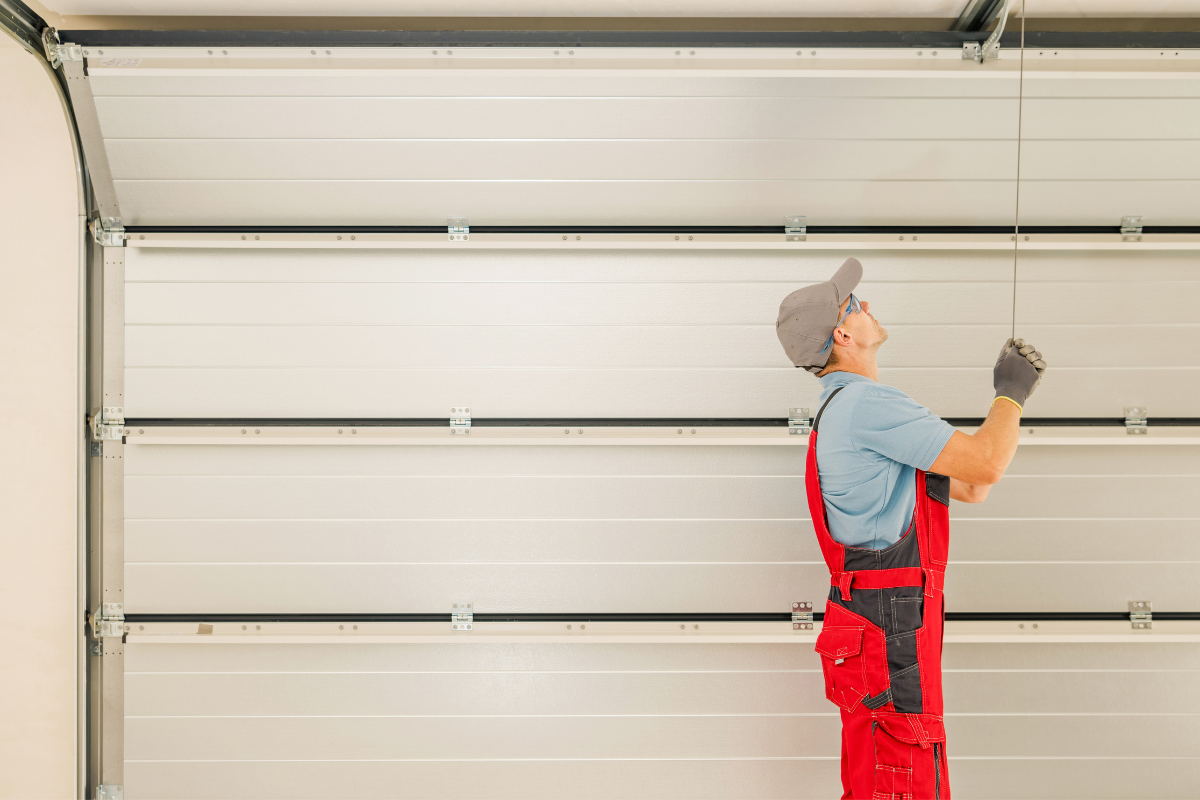

The sound of a garage door can set the tone for an entire block. In many Los Angeles neighborhoods, houses sit close together, alleys carry every echo, and late-night arrivals can wake a baby three doors down. I’ve worked in garages tucked beneath hillside homes in Silver Lake, attached units in the Valley, and tight townhomes near Culver City. The problems are similar, yet the fixes depend on the door’s age, material, motor type, and how the house is built. Quieting a garage door isn’t one trick, it’s a set of deliberate choices that remove vibration, friction, and resonance from the system. Done right, you’ll shave 10 to 20 decibels off the racket, often more, and extend the life of the hardware while you’re at it.
If you’re searching for garage door repair Los Angeles, you probably want results yesterday. This guide lays out how I approach noise complaints across the city, where marine air rusts hardware on the Westside, hot dust makes paste on tracks in the Valley, and older Craftsman homes in Mid City flex just enough to throw everything out of alignment. The advice here blends routine maintenance with targeted upgrades and realistic expectations about when to call a professional.
What noise tells you about your garage door
Noise has a source and a path. Identify both and you can cure most of it.
- Source: rollers scraping a dry track, hinges clacking as panels flex, a chain slapping its rail, an opener straining past its limits, springs twanging from fatigue, or the door itself booming like a drum. Path: vibration traveling into the header and studs, ringing through the steel track, or radiating from the motor into the ceiling joists and up into a bedroom floor.
Treating the source without breaking the path is half a fix. For example, you can lubricate dry rollers and stop the squeal, yet the opener can still transmit a thrum upstairs if it’s hard-mounted to a flimsy ceiling. A proper noise reduction plan addresses both angles.
First pass: maintenance that pays off immediately
Nine out of ten noisy doors I see in Los Angeles have never had a full tune in years. The city’s microclimates beat up garage hardware: salt air near Venice and Playa del Rey, gritty wind along the 101 corridor, summer heat in Woodland Hills. A careful hour of maintenance can transform the sound profile and reveal deeper issues.
Start with the basics in this order:
- Clean the tracks, then lubricate the right points. A track’s job is to guide, not to lube. Wipe the vertical and horizontal tracks with a rag and a mild degreaser. Clear the packed dust ridge that forms in the lower two feet. On the rollers, a small shot of garage-door-rated synthetic lubricant at the bearing stem is enough. For steel rollers, also touch the axle. Avoid dumping lubricant into the track, which only collects grit and grinds louder over time. On hinges, hit the pivot points, then wipe the excess. If you prefer a name, look for a silicone or lithium formulation labeled for garage hardware. WD-40 as a cleaner is fine, as a long-term lubricant it isn’t. Check and adjust track alignment. Tracks get bumped by moving cars, bikes, even a ladder. With the door down, confirm the vertical tracks are plumb and parallel, with about a quarter-inch of daylight between the track and the door edge. The horizontal tracks should be level side to side and tilt slightly back. Loosen the lag bolts just enough to nudge, then tighten firmly into solid wood. If the lags spin in place, the framing is stripped and needs repair or a larger fastener. Inspect and tighten hardware. I’ve quieted doors simply by snugging every hinge screw and track bolt. Vibrations magnify loose hardware. Missing hinge screws? Replace with the correct thread and length, not a random drywall screw. On older wood doors in Hancock Park and Pasadena, panel joints depend on hardware integrity for quiet operation. Adjust the opener. A chain drive with a bowing chain or a belt drive with slack will slap and buzz. Refer to your opener’s manual, then tension the chain or belt until it sits straight without sag. On travel limits, if the door tries to force itself past the floor or jams at the header, the opener will whine under load. Dial limits back until it stops cleanly. Lower the force settings to the minimum needed to move the door smoothly. High force is noisy and unsafe. Balance the door. Pull the emergency release with the door down, then lift by hand. A balanced door should hover at mid-height with light hand pressure. If it slams down or rockets upward, your torsion or extension springs are out of balance. An unbalanced door roars as the opener fights gravity. Spring work is not a DIY job unless you’re trained. Call a garage door service Los Angeles technician who carries winding bars, not improvised tools.
These steps alone often cut noise dramatically. If the door still makes a scene, it’s time to target the specific culprits.
Rollers: the fastest mechanical upgrade for quiet operation
If your door rides on old steel rollers with open bearings, you’re listening to metal-on-metal plus bearing chatter. Nylon rollers with sealed bearings are the single best upgrade for noise. I’ve replaced thousands, and the difference is immediate and obvious. On a typical two-car door you’ll have ten to twelve rollers. Quality matters. A cheap nylon roller without a ball bearing just turns into a plastic squeak after a season.
Look for a roller rated at least 10,000 to 15,000 cycles with a sealed bearing. On heavier insulated steel or wood overlay doors, move up to 6200-series bearings and a thicker stem. In older Westside garages with salt exposure, a stainless stem prevents corrosion creep that squeals after the winter marine layer. A garage door company Los Angeles technician should carry options on the truck and know which stems fit your track brackets without slop.
Roller replacement takes about 30 to 60 minutes, assuming the door is intact and you know how to safely move panel-by-panel. The corner rollers at the top require extra care, because they tie into the lift cables. If that sentence gives you pause, it should. Have a pro handle those, and while they’re at it, get fresh hinge bushings if yours are egged out.
Springs and cables: when harmonics become noise
A garage spring doesn’t only lift, it sings. I can tell a tired torsion spring on a calm morning in Atwater Village just by the pitch change as the door opens. Old springs vibrate differently. They rattle at certain panel positions, especially where the door transitions from vertical to horizontal. If you hear a metallic twang timed with the door’s motion, you may be near the end of the spring’s cycle life.
You won’t “quiet” a failing spring with lube. You’ll mask a symptom. The fix is proper spring replacement matched to door weight and height. In LA, many homes have been retrofit with insulated or carriage-style doors heavier than the original. Springs were sometimes left mismatched, which forces the opener to work harder, a prime source of growl and hum. A seasoned tech will weigh the door and select springs to achieve balanced lift within a few pounds of neutral at mid-travel. That balance is a noise reducer all by itself.
Cables matter too. Frayed cables slap, and loose drum set screws tick with each rotation. On some Pacific Palisades homes, corrosion on the bottom three feet of cable is routine because of salt air and occasional floor moisture. Replace before failure, and make sure drums are true and tight on the shaft. A cable that rides unevenly can thump the end bearing plates.
Opener type: chain, belt, or direct drive
I still see plenty of chain drive openers from the early 2000s working just fine. They’re durable and easy to service. They’re also the loudest. In condos or apartments with the garage beneath living space, that chain chatter turns into a persistent drone upstairs. A smart swap to a belt drive usually brings the single biggest noise drop you can make short of a new door. The belt isolates vibration better and doesn’t slap. For homes with a bedroom above the garage, the difference feels like moving from a window AC to central air.
Direct drive and wall-mount (jackshaft) units go even further. A wall-mount opener relocates the motor to the torsion tube at the side wall, removing the long rail and head unit from the ceiling. Vibration paths into joists are drastically reduced. In tight LA garages with low ceilings or exposed beams, this upgrade is both a space saver and a sound fix. You’ll need torsion springs and a shaft in good condition, a reinforced header, and enough side clearance for the operator and safety lock.
When you consider an opener upgrade, pair it with LED lighting built into the unit. Some off-brand LED bulbs generate radio noise that interferes with remotes. Stick with bulbs rated for garage door openers, or integrated lighting from reputable lines. Good garage door installation Los Angeles providers know which combinations play nicely together and won’t leave you waving a remote like a TV antenna.
Is the door itself the drum?
Steel doors act like speaker cones. Thin single-layer steel with no insulation resonates, especially on tall two-car openings. Even if the hardware is perfect, the panel will ring like sheet metal. I’ve quieted these by adding interior insulation kits. Polystyrene inserts help a bit, but polyurethane foam cores bond to the skin and stiffen the panel, which cuts resonance more effectively. If your door is due for replacement anyway, an insulated three-layer steel door can drop perceived operating noise by a large margin, while also sealing better against street sounds in busy parts of LA.
Wood doors present a different story. A well-built wood door can be surprisingly quiet thanks to mass and damping, but age and moisture cycling loosen joints and hinges. You’ll hear creaks and groans rather than pinging. Proper hinge upgrades, through-bolts where needed, and panel repairs can tame most of that. Avoid over-lubing wood, which attracts dust and accelerates wear in the wrong spots.
Isolating vibration from the house
Even a quiet mechanism can sound loud if it sends energy into the structure. I’ve stood in silent garages where the upstairs nursery thrummed like a bass cabinet. The culprit was always the same: hard mounts into resonant framing.
Here’s how we break the path:
- Use vibration-isolating opener mounts. Rubber or neoprene isolators between the opener and the ceiling brackets decouple the motor. On older homes with 2x6 joists and plaster ceilings, mount into solid framing with isolators, not directly into lath or plywood alone. If the ceiling flexes at all when the opener starts, you’re building a soundboard. Replace flimsy angle iron with heavier-gauge strut. Light, perforated strap acts like a tuning fo